Can Carrier Billing Still Be Used for Ringtones?
In the fast-evolving landscape of digital content consumption, people continue to seek quick and convenient ways to purchase media directly from their mobile devices. Ringtones, once a booming mobile monetization category, remain an example of digital content that users have historically bought through various payment options. A common question today is: Can carrier billing still be used for ringtones?
This article explores carrier billing in the context of ringtone purchases, explaining how carrier billing works, the difference between monthly contract vs pay-as-you-go users, checkout speed and friction, and the perception of security when paying via mobile phone bills.
What Is Carrier Billing?
Carrier billing, also known as direct carrier billing (DCB), is a payment method that lets consumers charge purchases of digital content or services directly to their mobile phone bill or deduct from their prepaid balance. Payment is thus handled by the mobile network operator, removing the immediate need for credit cards, bank transfers, or third-party payment apps.
In practice, when users select carrier billing as their payment option, the transaction amount appears as a line item on their monthly phone bill for contract subscribers or subtracts from prepaid credit for pay-as-you-go customers. This mechanism is particularly attractive for digital content purchases, including apps, streaming subscriptions, games, and historically, ringtones and wallpapers.
How Carrier Billing Works for Digital Content
- User selects digital content: For example, choosing a ringtone within a mobile storefront or content provider’s app.
- Selects payment method: The user opts to pay via their phone bill.
- Carrier authenticates the user: Usually via a mobile number verification or PIN.
- Carrier approves and charges purchase: The cost is added to the monthly bill or deducted from prepaid balance.
- Content delivered: The ringtone file is sent to the phone, ready for use.
Ringtones and Carrier Billing — Is It Still a Viable Combination?
Ringtones once represented a significant chunk of mobile content revenue in the early 2000s, and carrier billing was integral to this ecosystem. However, with the advent of smartphone operating systems, app stores, and diverse mobile payment options, the landscape has shifted.
That said, carrier billing can still be used to purchase ringtones in many markets, especially where digital infrastructure or consumer behavior favors mobile operator billing solutions and where newer payment alternatives might not be universal. This usage depends on factors such as regional carrier offerings, mobile penetration, and the availability of alternative checkout options.
Why Some Users Prefer Carrier Billing for Ringtones
- Ease of Use: No need to enter credit card data or register third-party apps; just confirm via SMS or PIN.
- Inclusivity: Users without bank accounts or credit cards can still buy digital content.
- Trust in Carrier brand: The mobile network provider is often seen as a secure and familiar billing source.
Challenges to Carrier Billing in Today’s Ringtone Market
- Increased Payment Diversity: Digital wallets, credit cards, and app store payment methods dominate in many smartphone markets.
- Carrier Billing Limits: Transaction size and frequency may be capped by carriers.
- Regulatory and Fraud Controls: Stricter regulations and fraud concerns have impacted carrier billing's ease of integration.
- Shift in Consumer Focus: Ringtones have become less monetized compared to streaming or apps.
Monthly Contract vs Pay-As-You-Go Behavior and Its Impact on Carrier Billing for Ringtones
Understanding the typical behaviors of monthly contract subscribers versus pay-as-you-go users helps clarify how carrier billing fits into ringtone purchasing.
Monthly Contract Subscribers
These users receive their phone phone bill payment usage consolidated into one bill at the end of the month. They often have credit limits and more extensive billing options due to established lines of credit with their carrier.
- They may view carrier billing as convenient because charges appear on their single monthly invoice.
- Less immediate financial impact since payment is deferred.
- More likely to use carrier billing for higher-value digital purchases, including ringtones, if available.
Pay-As-You-Go Users
With prepaid phone plans, users pay upfront for usage or content, which requires sufficient balance on their account at the time of purchase.
- Carrier billing deducts the ringtone cost immediately from their existing balance.
- This group tends to prefer small, instant purchases and appreciates the immediacy of deduction.
- Limited balance or unwillingness to allocate prepaid credit to ringtone purchases can limit uptake.
Ultimately, carrier billing fits differently into these customer segments’ payment behaviors, influencing ringtone purchase frequency and methods.

Checkout Speed and Reduced Friction: The Advantages of Carrier Billing for Ringtones
One of the strongest value propositions of carrier billing is the quick and frictionless checkout experience. For ringtone buyers, this can be a decisive factor.
Why Checkout Speed Matters for Digital Content Purchases
Impulse buying characterizes much of digital content consumption. The easier and faster it is to complete a purchase, the higher the conversion rates. A long or complicated checkout process often results in cart abandonment.
Carrier Billing’s Fast Path
- Minimal Input Required: Typically, just a phone number confirmation or SMS verification.
- No Need for Payment Details: Eliminates fears about security over entering credit card information.
- One-Tap Purchases: In some operator portals or apps, it can be as simple as tapping “Buy” and confirming.
For ringtone purchases, which typically involve low-price transactions, this speed and simplicity can boost user satisfaction and revenue.
Perceived Security and Trust in Carrier Billing
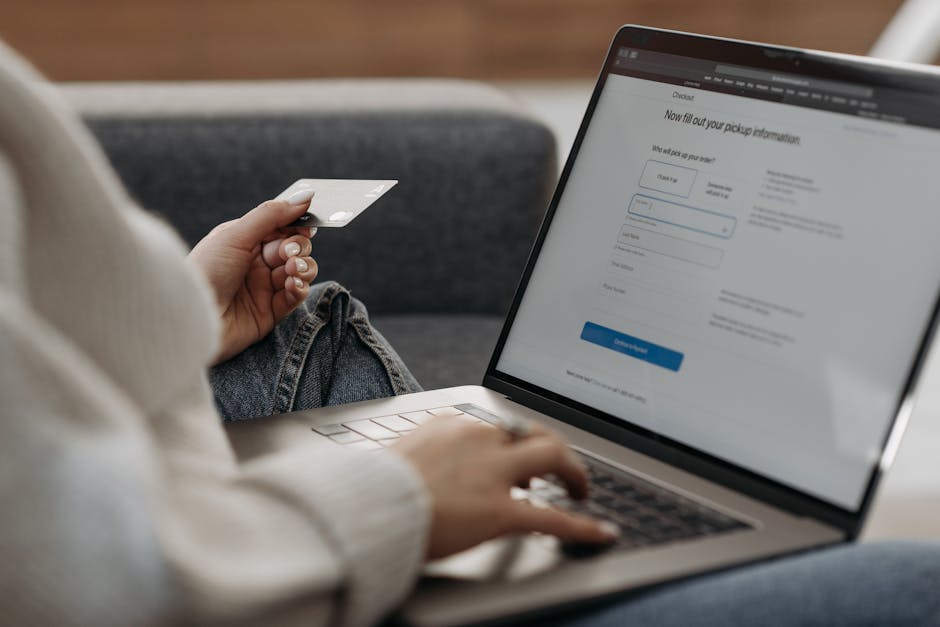
Trust plays a critical role in consumer willingness to make a phone bill purchase of digital content like ringtones. Carrier billing benefits from consumers’ established trust in their mobile network providers.
Why Consumers Trust Carrier Billing
- Familiarity: The carrier is a known entity on their monthly statement.
- Data Protection: Payment details are not shared with third parties.
- Accountability: Dispute resolution and fraud protection channels exist via their carrier relationships.
In contrast, some consumers remain wary of entering credit card details or using unfamiliar digital wallets for small purchases such as ringtones. Carrier billing thus remains a trusted alternative for many users.
Summary Table: Carrier Billing Pros and Cons for Ringtone Purchases
Aspect Benefits of Carrier Billing Challenges / Limitations Checkout Speed Fast, minimal steps, no payment info needed May require SMS confirmation delays Accessibility Available for users without bank accounts or cards Dependent on carrier policies and coverage Security & Trust Trusted carrier presence, data not shared Limited buyer protection compared to credit cards Purchase Limits Small amounts ideal for micro-purchases Transaction caps may restrict expensive content User Segments Works well for prepaid and contract users May be less appealing for heavy smartphone users Market Penetration Strong in regions favoring carrier billing Less usage where app store payments dominateFinal Thoughts
Carrier billing continues to be a viable payment option for ringtones in many markets, capitalizing on checkout convenience, perceived security, and inclusivity. While it no longer dominates as it once did amid the smartphone app store ecosystem and digital wallets, its niche remains valuable.
For merchants and content providers offering ringtones, integrating carrier billing can help reach users who prefer straightforward and trusted billing through their phone bills—especially prepaid and contract mobile subscribers who favor this frictionless payment path.
Ultimately, whether carrier billing remains the right choice depends on the target market’s payment behavior, the telecom infrastructure environment, and how consumers’ purchasing preferences evolve. For now, if you’re searching for ways to enable quick phone bill purchase of digital content like ringtones, carrier billing remains a relevant, user-friendly option worth considering.