Does a Rolex Loan Make Sense If You Care More About Speed Than Rate?
It’s Thursday afternoon in Scottsdale. You’re heading to an auction preview, a car deal has come together faster than expected, and the cash you want to use is tied up elsewhere. Your Rolex is in the safe. Selling it could take time, and you may not want to part with it at all. A loan against the watch might get cash moving sooner—but likely at a higher cost than cheaper credit.
That is the basic tradeoff. A Rolex loan can make sense when short-term liquidity, speed, and privacy matter more to you than getting the lowest possible rate. It makes less sense when you can wait, qualify for lower-cost financing, or would struggle to repay the loan and recover the watch.
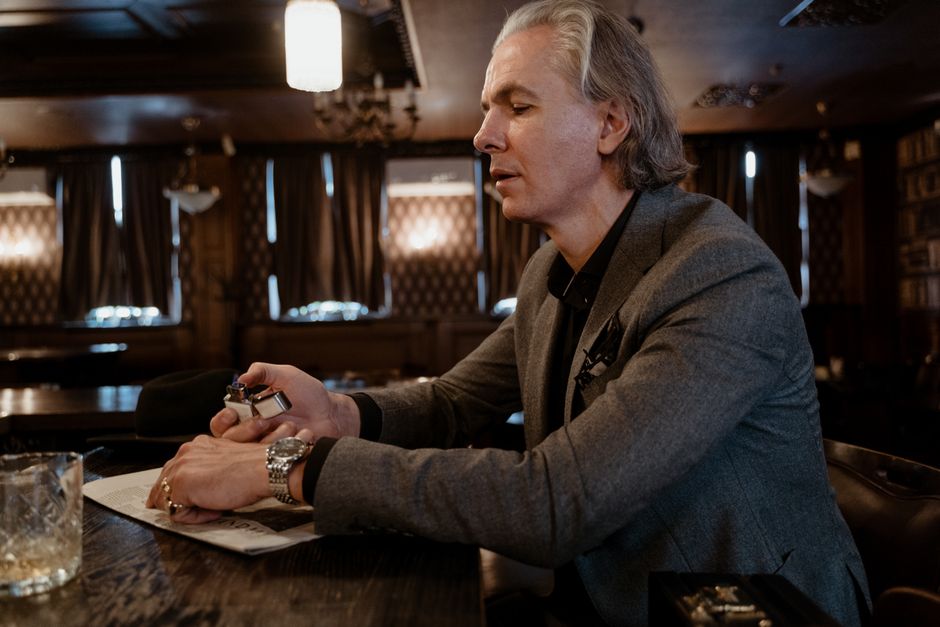
Here’s how to think it through without confusing a collateral loan with a bank credit line—or treating a desirable watch as a guaranteed source of cash.
What a Rolex Loan Actually Is
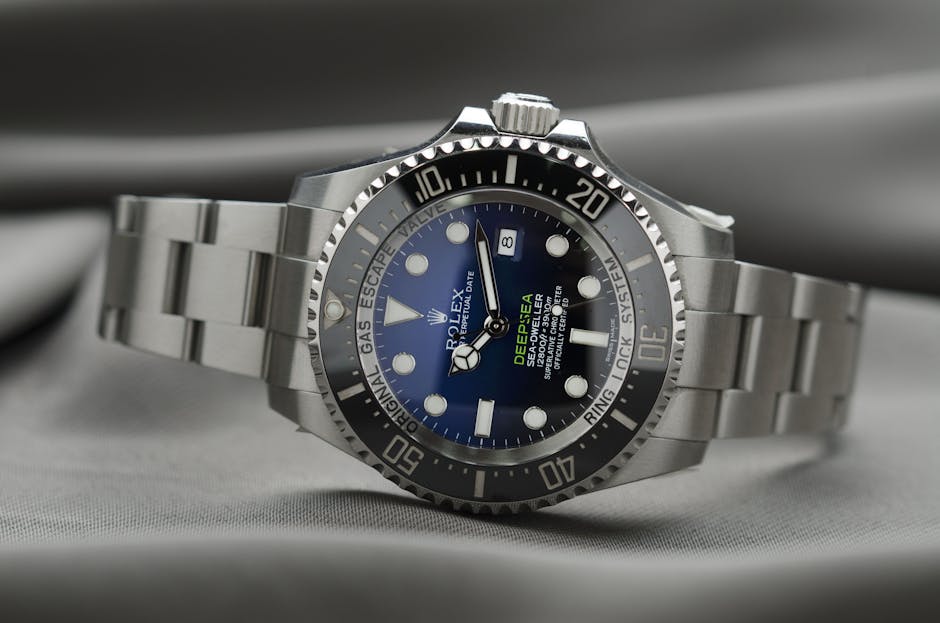
A Rolex loan is a form of luxury asset lending. You offer an eligible watch as collateral, a lender evaluates it, and you receive a loan based partly on the watch’s expected resale value. Depending on the lender and arrangement, the watch may be held securely while the loan is outstanding. Once you repay the balance and applicable charges, you get it back.
This is not the same as a bank line of credit. A bank line is credit extended based on your financial profile, income, credit history, and other factors. A watch-backed loan is primarily tied to the collateral and its marketability, although the lender’s terms and approval process still matter. Neither product is automatically better; they solve different problems.
For a borrower who needs money quickly and has a qualifying watch, using the watch as collateral may be a bank line of credit alternative. The appeal is that the asset can support the transaction directly. The tradeoff is that convenience may come with a higher cost, a shorter repayment window, and the risk of losing the watch if the loan is not repaid under the agreement.
Why Rolex Can Work as Collateral
Rolex is a liquid luxury asset compared with many personal possessions. There is an established resale market, buyers recognize the brand, and certain models in strong condition can be easier to evaluate and resell than an obscure or highly specialized item.
But “liquid” does not mean every Rolex can be turned into the same amount of cash on demand. Model, reference, metal, dial, condition, age, service history, originality, box and papers, and current buyer demand all affect a lender’s view. A watch that is popular with collectors may still need authentication, inspection, and a practical valuation before anyone can make an offer.
Publicly tracked global secondary market pricing can help put a watch in context. It can show broad market activity and comparable price trends. It does not establish the exact amount a lender will advance on your particular watch. A lender must account for condition, resale costs, market movement, and the time it may take to sell the collateral if repayment fails.
That distinction matters. A published asking price is not necessarily a completed sale price, and a resale estimate is not the same as a loan amount. Ask how the lender arrived at its valuation and what deductions or limits apply.
When Speed Is Worth Paying For
A Rolex loan is most compelling when the need is specific, temporary, and time-sensitive. Maybe you’re covering a short gap between a purchase and an expected payment. Maybe you want cash ready before an auction, rather than waiting for a bank application or selling the watch outright. Maybe you want to keep the transaction discreet and avoid advertising a sale.
In those situations, short-term liquidity can be worth more than the difference between a collateral loan and cheaper borrowing. The key is to put a dollar figure on the convenience. Ask for the full cost over the exact period you expect to borrow—not just a headline rate or a monthly payment.
For example, if you expect to repay in 30, 60, or 90 days, ask the lender to show the total amount due on each date. Include interest, fees, storage or handling charges, extension costs, and any other contractual charges. If you might need more time, ask what happens before you sign, not when the due date is approaching.
Speed and privacy have a price
Collateral lending can reduce the need to sell publicly or wait for a buyer, and a watch-focused lender may be set up to assess the asset directly. But speed is not a promise that every watch will qualify or that funds will arrive on a particular schedule. Authentication, documentation, shipping or in-person intake, and lender review all take time.
Privacy is also relative. A private transaction can mean you are not listing the watch for sale or negotiating with multiple buyers. It does not mean you should skip paperwork. Get the loan terms, custody arrangements, insurance details, and repayment requirements in writing.
Auction Week Is a Planning Problem, Not a Last-Minute Problem
In Scottsdale, auction season can compress decisions. Around events at Barrett-Jackson and activity at WestWorld of Scottsdale, a car or collectible opportunity may appear on a schedule that does not match the slower timeline of a conventional loan. That is exactly when people are tempted to call a lender at the last minute.
Here https://technivorz.com/barrett-jackson-bidders-do-they-really-use-watches-to-fund-purchases/ is the tradeoff. If you start the process on the day you need the money, you may have fewer choices and less time to compare terms. If you begin before auction week, you can confirm whether your watch qualifies, understand the likely advance range, and decide whether the cost fits your plan. You can also set a clear limit on how much you are willing to borrow.
Do not borrow against a Rolex simply because you expect to win a bid or close a car purchase. Set aside a repayment source that does not depend on a hoped-for resale, a bonus that is not guaranteed, or the assumption that another buyer will appear. If repayment is uncertain, the loan can turn a short-term cash gap into a much more expensive problem.
What Happens During Authentication and Valuation
Click for infoA credible authentication and valuation process should be specific enough that you understand what is being checked and how the result affects the offer. The lender may examine the reference and serial information, case and bracelet, dial and hands, movement, condition, signs of replacement or modification, and any service documentation you provide.
Expect the final assessment to depend on the individual watch, not just its model name. Complete sets and strong condition may support marketability, but box and papers do not replace authentication. Likewise, aftermarket parts, polishing, damage, or missing components can affect the valuation.
If you are considering Diamond Banc or another luxury asset lender, ask what the process looks like for your specific reference and how the watch is protected while in the lender’s custody. A useful conversation should cover the following:
- What information or photographs are needed before an initial review?
- When and how does the physical authentication take place?
- Is the valuation based on recent completed sales, current listings, or another method?
- How is the loan amount calculated from the assessed value?
- Where is the watch stored, and what insurance applies while it is held?
- What are the exact repayment, renewal, and default terms?
Compare written offers, not vague assurances of “top dollar.” The process, valuation basis, timing, and total repayment amount are what let you make a real comparison.
Compare the Loan With Your Other Options
Before pledging the watch, line up the alternatives. If you already have access to a lower-cost bank line of credit, compare its available limit, approval timing, fees, and repayment terms with the collateral loan. A bank line may be cheaper, but it may not be available quickly or may involve underwriting that does not fit your timeline.
You could also sell the Rolex. Selling may produce more cash than borrowing against it, but you give up ownership and may need time to find a buyer and complete the sale. A collateral loan preserves the possibility of getting the watch back, but only if you repay according to the agreement.
Option Potential advantage Main tradeoff Rolex collateral loan May provide short-term liquidity without an outright sale Cost, repayment deadline, and risk to the watch if you default Bank line of credit May offer a lower borrowing cost for eligible borrowers Approval, underwriting, and access may not match your deadline Sell the watch No loan balance or repayment deadline afterward You give up the watch and need to negotiate a sale Wait or use other cash Avoids borrowing costs and collateral risk The opportunity may pass or the cash may not be available in timeHow to Decide Before You Sign
Use a short checklist. If you cannot answer each question clearly, pause and get the terms in writing.
- How much cash do you actually need? Borrowing more than necessary increases the cost and the amount you must repay.
- When will you repay? Choose a realistic date and ask for the payoff amount on that date.
- What is the total cost? Include interest and every fee, plus any extension or late-payment costs that could apply.
- What happens if your plan slips? Understand renewal options, deadlines, default procedures, and when the lender can take steps involving the collateral.
- Are you comfortable having the watch held? Verify custody, insurance, documentation, and the process for returning it after payoff.
- Would selling be cleaner? If you no longer care about keeping the watch, compare an outright sale with the cost and risk of borrowing.
So, Does a Rolex Loan Make Sense?
Yes, if speed and privacy are more valuable to you than the lowest possible rate, the cash need is temporary, the watch qualifies, and you have a credible repayment plan. In that case, luxury asset lending can be a practical way to free cash without selling a Rolex outright.
No, or at least not yet, if you have time to use less expensive credit, the loan’s full cost is unclear, repayment depends on an uncertain event, or the watch is too important to risk. A Rolex may be a liquid luxury asset, but it is not an ATM—and secondary-market prices do not guarantee a particular loan amount.
Before the next Scottsdale auction week, get the watch reviewed early, compare the written terms with your bank line of credit alternative, and decide how long you truly need the money. The best use of a Rolex loan is a planned bridge between two dates, not a rushed bet that everything will work out.