How much contingency should I add to a big family purchase?
A big family purchase rarely costs exactly what the first quote says. A house move can bring survey fees, removals and urgent repairs. A new family car may need a child seat, insurance and a service. Even a planned kitchen renovation can uncover old wiring or plumbing once work begins.
That is why it helps to add a contingency fund: money set aside for the extra costs linked to a specific purchase or project. It is not the same as your emergency fund, which protects your household if income falls or an essential bill arrives unexpectedly.
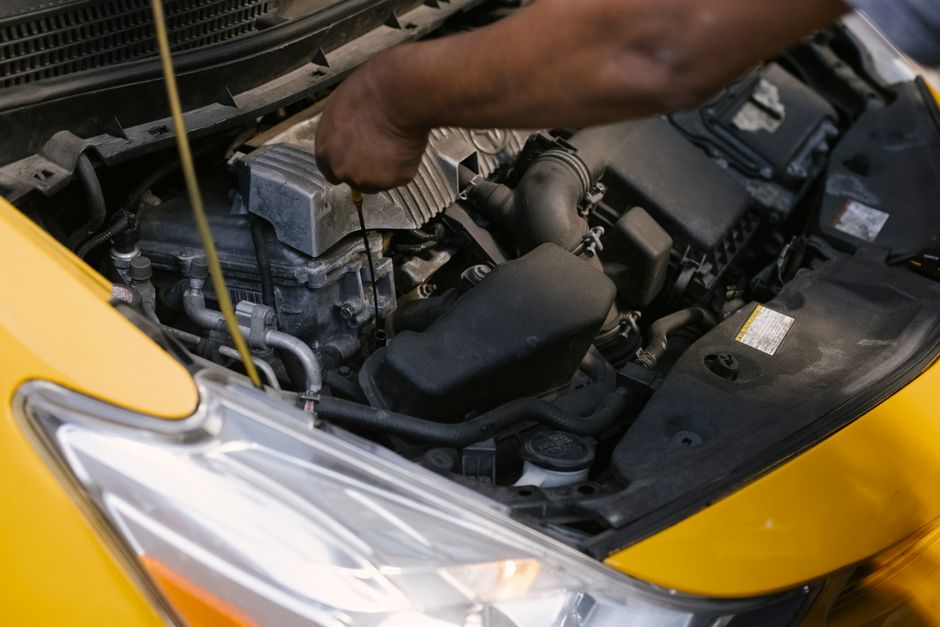
There is no single percentage that works for every family. A useful starting point is to estimate the full cost, then add a budget buffer based on how uncertain the price is and how much could go wrong. Just as important, check that the plan still works in a bad month, when childcare, food, transport and other essentials still need paying.
First, separate the three kinds of money
Before choosing a contingency amount, decide what each pot is for. Mixing them can make a purchase look affordable when it is actually relying on money your family needs for something else.
- Goal savings: money for the purchase you are planning, such as a car, house move or home improvement.
- Contingency: extra money attached to that goal, for costs that are related to it but not certain or fully known in advance.
- Emergency fund: money reserved for essential household needs if something goes wrong, such as a loss of income, urgent home repair or essential replacement appliance.
A separate savings pot can make these boundaries visible. You might have one pot named “Family car — September” and another called “Car purchase buffer”. Keep your emergency fund separate again. If all three sit together in one balance, it is easy to accidentally spend the emergency money on upgrades or fees that could have been planned for.
An instant-access savings account can suit money you may need quickly, although check the account’s access rules, interest rate and any withdrawal limits. The right place for your money depends on when you will need it and whether you can accept restrictions on access. Do not put short-term purchase money somewhere that could fall in value or be difficult to withdraw when a bill is due.
Name and date the goal
A goal becomes easier to budget for when it is specific. “Save for a move” is hard to measure. “Have £8,000 for moving costs and immediate repairs by next June” gives you a target and a deadline.
Write down:
- what you are buying or paying for;
- the date you expect to need the money;
- the estimated core cost;
- your contingency amount; and
- what you will do if the total rises or the deadline changes.
Then work backwards. If you need £2,400 in 12 months, that is £200 a month, before allowing for interest or any extra buffer. If the full target, including contingency, is £3,000, the saving rate is £250 a month. That simple calculation is a useful reality check against your household budget.
Research the true total cost
The price on a label, quote or property listing is rarely the whole bill. Before adding a percentage, list the costs you already know about. Otherwise, a “contingency” can end up paying for predictable extras that should have been in the original estimate.
For a family car, for example, check the purchase price alongside insurance, vehicle tax where applicable, fuel or charging, servicing, tyres, parking, a suitable child seat and any finance fees. For a home project, ask whether the quote includes materials, labour, waste removal, finishing, VAT where applicable and making good adjoining areas. For childcare-related purchases, remember the less obvious regular costs too: meals, nappies, parking, uniforms and replacement items.
For a housing example, suppose a family is planning a £300,000 house purchase. The £300,000 price is not the total cash needed to complete the move. Depending on the property and the family’s circumstances, there may also be conveyancing, surveys, removals, mortgage-related costs, any applicable property tax, and immediate work such as replacing a faulty boiler or making a room safe for a child. Some charges are known in advance; others depend on the survey, the property and the move itself.
Build a list from actual estimates and current information rather than assuming one flat percentage covers everything. Check the relevant guidance on GOV.UK for official information about property taxes and other rules that may apply to your situation. Your solicitor, lender or adviser can explain which costs are relevant to your particular purchase. Do not treat an illustrative figure as a quote.
Sort costs into “known”, “likely” and “uncertain”
This makes it easier to set a sensible budget buffer:
- Known: a written removal quote, survey fee or agreed deposit. Include the full expected amount in the main goal budget.
- Likely: costs that are common but not confirmed, such as small repairs or extra materials. Estimate these separately and include them in your plan.
- Uncertain: costs that could arise because the scope, condition or timing is unclear. This is where contingency is most useful.
Ask suppliers what is excluded, what could trigger an extra charge and how long a quote remains valid. If a price is based on an initial inspection, find out what happens if more work is discovered. A clear quote is often more valuable than an optimistic low quote with vague exclusions.
How much contingency is reasonable?
As a starting point, many households use a contingency of around 5% to 10% for a well-defined purchase with reliable quotes, and around 10% to 20% where the scope is uncertain or hidden problems are possible. These are planning guides, not rules. A straightforward purchase with fixed costs may need less. Older housing, renovation work, a tight deadline or several unknowns may justify more.
Apply the percentage to the costs that could genuinely overrun, not automatically to every pound in the project. For example, a property’s purchase price is usually not the part that changes after completion, while repairs, removals and related work might. Using a blanket percentage on the whole purchase price could create an unnecessarily huge target.
Type of purchase or project Possible starting range What could change the figure? Fixed-price item with clear delivery costs About 5%–10% Installation, delivery access, accessories or price changes Used car or major appliance About 10%–15% Inspection findings, repairs, fitting or replacement parts Home repairs or renovation with unknowns About 10%–20% Hidden damage, older wiring or plumbing, scope changesThese ranges are prompts for discussion, not guarantees that your project will stay within budget. If a contractor, surveyor or other professional identifies a specific risk, use that information instead of relying only on a generic percentage.
A worked housing example
Suppose the family’s planned housing-related costs, separate from the purchase price, are:
- legal and survey costs: £2,000;
- removals: £1,500;
- known immediate repairs: £4,000; and
- essential setup costs: £1,000.
The planned total is £8,500. If the repairs and setup costs are uncertain, the family might add a 15% budget buffer to those parts, rather than to every cost. If those uncertain costs total £5,000, 15% is £750. The goal would then be £9,250, subject to checking actual quotes and any other costs that toddleabout.co.uk apply. This is an illustration, not an estimate of what a house move should cost.
If the survey finds a major issue, the family should update the figures before committing to the work. A contingency is not a reason to ignore a serious warning or spend without a quote.
Keep an emergency fund floor
Set a minimum amount that your emergency fund should not drop below, even if the purchase becomes more expensive. Base that floor on essential spending, not on a convenient round number. Essentials might include housing costs, council tax, energy, basic food, transport needed for work, debt repayments, insurance and childcare required to keep earning.
MoneyHelper offers practical information on budgeting and building financial resilience. Its guidance can help you think through what your essential costs are, but your own floor should reflect your household’s circumstances, including income stability, dependants and access to other support.
There is no universal emergency-fund figure that fits every family. If you are working towards one, choose a realistic first floor and build from there. The key for a big purchase is to decide the floor before spending, then treat it as unavailable for the goal. If the purchase only works by dipping below that amount, consider delaying it, changing the specification or saving for longer.
Test the plan against a bad month
Before you commit, run a plain bad-month check. Imagine one of your usual pressures lands at the same time as the purchase: a reduced pay packet, a higher energy bill, a car repair or an unexpected childcare cost. Could you still cover essential bills and any payments you have already agreed to?
Try this short test:
- List your essential monthly costs and upcoming bills.
- Subtract those from reliable take-home income, not an optimistic estimate.
- Check whether the monthly saving amount fits without using credit or emergency money.
- Allow for timing: a bill may fall due before a refund, bonus or reimbursement arrives.
- Decide in advance which optional parts of the purchase you would postpone if the total rises.
If the plan only works in a perfect month, it is too tight. “Just cut back” is not a useful answer if the maths does not add up after rent, food, childcare and travel. Look instead at changing the date, reducing the project, getting another quote or splitting the work into stages.
Track the pot and review the estimate
Once you have a target, keep a simple record of what has been paid, what is still due and what remains in contingency. Recheck the estimate when you receive a quote, book a service or learn something new about the purchase. Prices can change, and an old estimate may no longer be safe to rely on.
Money Trumpet can be one place to look for practical money and budgeting ideas, while MoneyHelper offers impartial guidance on managing money. For official rules and government services, check GOV.UK. Use these sources to inform your research, then confirm costs and eligibility details that depend on your own circumstances.
When the purchase is complete, do not automatically roll unused contingency into everyday spending. First check whether any final invoices, warranties, repairs or follow-up costs remain. Then decide whether to move the remainder back to the goal pot, use it for the next planned expense or strengthen your emergency fund—without confusing the pots while the purchase is still underway.
The practical rule of thumb
Work out the full, realistic cost first. Add a contingency that reflects the uncertainty in the parts of the plan most likely to change. Keep that money separate from your emergency fund, name and date the goal, and protect an emergency-fund floor based on your household’s essentials.
A good budget buffer is not about assuming the worst or saving an arbitrary extra amount. It is about giving your family room to handle foreseeable surprises without turning one large purchase into a debt problem—or leaving you short when a genuine emergency arrives.