Is It Better to Transfer Farm Assets During Life or at Death?
For many farm families, the answer comes down to one question: Who is likely to sell this asset, and when? A child who will farm inherited land for decades may benefit from a different plan than a child who expects to sell a gifted tractor next year. The right choice depends on the asset, its tax basis, the family’s plans, and the rules in effect when a transfer occurs.
Families often focus first on estate tax. But estate tax exposure is rare for most farm estates, while income tax can be the bigger succession threat. A transfer that reduces a potential estate tax bill may also give the next generation a low tax basis—and a larger taxable gain if they sell. That trade-off sits at the heart of gift vs inherit farm planning.
This article explains the main differences between lifetime gifts and inheritances, including the roles of IRC 1015 vs IRC 1014, depreciation, and equipment recapture. It offers general education, not tax or legal advice. Before transferring property, review the plan with a tax professional who can examine the actual depreciation schedules, ownership records, and family goals.
Start With the Asset’s Likely Future
Before discussing a gifting strategy or trust, make a practical list of the farm’s assets and ask who is likely to sell each one—and when. Land that a farming child will hold for life poses a different tax question from machinery that may be traded or sold in a few years.
- Land: Will the recipient farm it, rent it, develop it, or sell it?
- Machinery and equipment: Will the next operator use it, replace it, or sell it?
- Livestock and stored crops: How are they owned and reported for income-tax purposes?
- Farm business interests: Does the transfer include debt, operating assets, or voting and management rights?
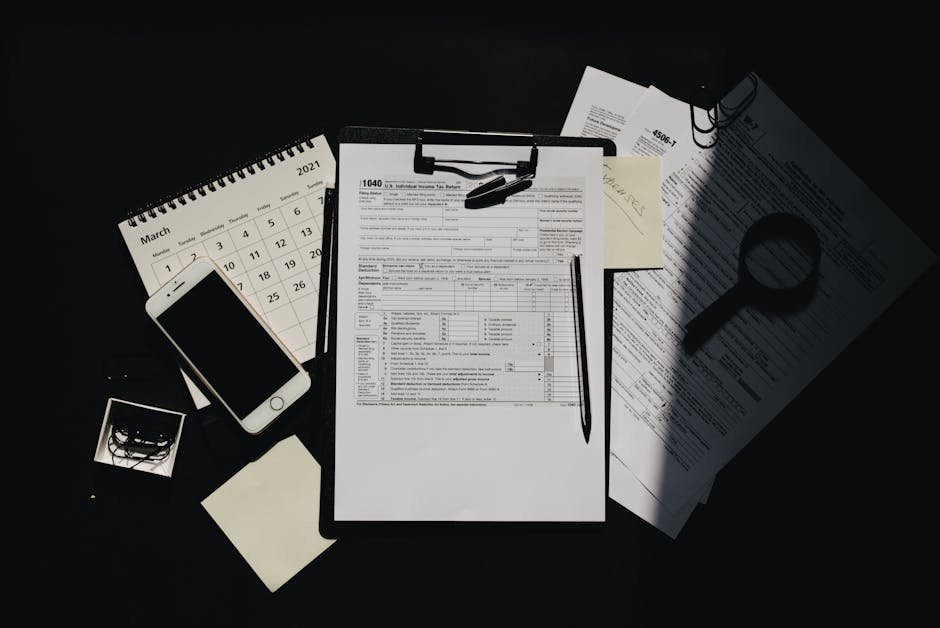
A farm’s Schedule F is useful for understanding how the operation reports income and expenses, but it is not a complete succession-planning file. A Schedule F generally won’t show the full tax basis and depreciation history of every asset. Gather the underlying depreciation schedules, purchase records, prior returns, and title documents too.
For broader context on farm economics, USDA Economic Research Service publishes data and research on farm income, assets, and financial conditions. AGDAILY also covers agriculture and farm business issues. Neither how estate tax affects farms source replaces advice based on a family’s own tax records. And if you prefer listening, Instaread’s audio player is a way to listen to a version of this article; it is not a substitute for professional tax guidance.
Gift vs. Inherit Farm: The Basis Difference
Tax basis is generally the amount used to measure taxable gain or loss when property is sold. It is often the purchase cost, adjusted for items such farm asset transfer planning as depreciation, improvements, and certain other expenses. I've seen this play out countless times: learned this lesson the hard way.. The basis a recipient gets can vary significantly depending on whether the property is given during the owner’s life or inherited at death.
Transfer method General basis rule Potential planning effect Lifetime gift Usually carries over the donor’s basis under IRC 1015 Can preserve a low basis and a larger taxable gain on a later sale Inheritance Often receives a basis tied to fair market value at death under IRC 1014 May reduce built-in gain for a beneficiary who later sellsWhat a Lifetime Gift Usually Means
Under IRC 1015, a recipient generally takes the donor’s basis for gain purposes. If a parent bought land for $100,000 and its value is $600,000 when gifted, the child generally does not receive a new $600,000 basis just because the land changed hands. If the child later sells it for $650,000, the starting point for calculating gain is generally the carried-over basis, subject to adjustments and the facts of the transfer.
There is a special rule when gifted property is worth less than the donor’s basis at the time of the gift. The basis used to calculate a gain may differ from the basis used to calculate a loss. This “dual basis” rule can mean that a recipient recognizes no gain or loss if the sale price falls between the donor’s basis and the property’s value on the gift date. Gifts can also have gift-tax reporting consequences, even when no gift tax is ultimately due.
What an Inheritance Usually Means
Under IRC 1014, inherited property generally receives a basis based on its fair market value at the decedent’s date of death, or an alternate valuation date if the estate qualifies and elects to use it. This is often called a “step-up” in basis when value has increased, though a basis can also step down if property has declined in value.
A higher basis can reduce taxable gain if an heir sells appreciated land. But do not assume that every item connected to a farm receives the same treatment. Some rights to income are generally treated as income in respect of a decedent rather than receiving the usual basis adjustment. Ownership structure, community-property rules, valuation, and the nature of the asset can also matter. Get advice before relying on a broad “everything gets stepped up” assumption.
Why Income Tax Can Matter More Than Estate Tax
Ask yourself this: estate tax is a real concern for some families, but the federal exemption is large and changes over time. Many farm estates do not owe federal estate tax. (why did I buy that coffee?). Some states have separate estate or inheritance taxes, and a farm’s land value can make local rules important, so check the law where the family owns property.
Even when no estate tax is due, a family may face substantial income tax if heirs sell low-basis property. That is why a plan focused only on reducing estate value can backfire. A completed lifetime gift may remove future appreciation from the donor’s estate, but it generally carries over the donor’s basis. If the recipient sells the asset, the family may trade a possible estate-tax benefit for a larger capital gain or other income-tax cost.
That does not make lifetime gifts a bad choice. A gift may help transfer management, support a child, or meet other family and business goals. The point is to compare the taxes and practical consequences together—not to assume that a transfer is beneficial simply because it lowers the estate’s value.
Depreciation: The Farm Tax Detail That Gets Missed
Depreciation reduces the tax basis of depreciable assets over time. That can lower taxable farm income while the operation uses equipment, buildings, or other property. It also means the asset may have a much lower adjusted basis when it is sold. “Paid off” describes a loan, not a tax basis. A fully paid-for tractor may still carry a substantial tax consequence.
Farmers should look closely at depreciation schedules before transferring machinery or buildings. The schedules help show what was placed in service, how much depreciation was claimed or allowable, and what basis remains. If records are incomplete, rebuild them before signing transfer documents whenever possible.
IRC 1245 Recapture on Equipment
IRC 1245 applies to certain depreciable personal property, including much farm equipment. When a taxpayer sells or otherwise disposes of qualifying property at a gain, some of the gain may be treated as ordinary income rather than capital gain. Generally, recapture is limited to the gain realized and the depreciation allowed or allowable, subject to the detailed statutory rules.
For example, imagine equipment with an original cost of $200,000 and an adjusted basis of $40,000 after depreciation. If it sells for $100,000, the $60,000 gain may be ordinary income under the section 1245 rules, depending on the full facts. That result can be a surprise to someone who expected a capital-gain rate or assumed that paying off the equipment removed the tax issue.
A gift does not automatically erase the equipment’s tax history. Carryover-basis and depreciation rules can make a lifetime transfer very different from a sale, and the recipient’s eventual sale may trigger recapture consequences. Inherited property often has a different basis result under IRC 1014, but the exact treatment depends on the transaction and the property’s history. Have a tax professional review the depreciation schedule and planned disposition rather than relying on a generic rule.
When a Lifetime Transfer May Make Sense
A lifetime gift may fit when the donor wants to transfer control or ownership now, the recipient is prepared to manage the asset, and the family has compared the basis cost with other goals. It can also be useful to transfer selected assets gradually, but each transfer needs to be coordinated with gift-tax rules, business operations, insurance, debt, and the donor’s financial security.
Before making a gift, ask:
- Will the recipient use or sell the property soon?
- What is the donor’s adjusted basis and, for depreciable property, the depreciation history?
- Will the donor need the income, use, or control the asset provides?
- Does the transfer create gift-tax reporting, lender, lease, or operating issues?
- Would a sale, installment sale, lease, or other structure better match the family’s goals?
When Holding Property Until Death May Make Sense
Holding appreciated property until death may preserve the potential for an IRC 1014 basis adjustment. That can be valuable when heirs expect to sell, particularly for land with substantial appreciation. But waiting is not always best. The owner may need to transfer operating responsibility earlier, reduce a taxable estate, provide for a family member, or address health and long-term-care concerns. A basis benefit should not override every other family need.
Also remember that a basis adjustment is not a substitute for a succession plan. It does not decide who will farm, settle disagreements among heirs, arrange financing, or protect the operation if the successor is not ready. Legal ownership and farm management are related, but they are not the same issue.
A Practical Basis-Planning Checklist
- Inventory assets. List land, machinery, buildings, livestock, crops, business interests, and related debt.
- Identify likely sales. For each item, note who may sell it and the likely timing.
- Confirm basis. Gather purchase records, improvement costs, depreciation schedules, and prior tax returns.
- Compare transfer paths. Model lifetime gifts and transfers at death, including income-tax and any applicable estate or gift-tax effects.
- Coordinate the team. Have the tax preparer, attorney, lender, and farm adviser work from the same asset list and plan.
- Revisit the plan. Update it after major purchases, land sales, family changes, or tax-law changes.
The Bottom Line
There is no universal winner between transferring farm assets during life and at death. For many farm families, estate tax is less likely to be the main threat than income tax from selling low-basis property or depreciated equipment. A lifetime gift generally carries the donor’s basis under IRC 1015; inherited property often receives a basis based on value at death under IRC 1014. Those differences can change the tax bill dramatically.
Start with the asset, its basis, and the person who may sell it—and when. Then build the transfer plan around the family’s operating, financial, and personal goals. Most important, inspect the depreciation schedules before moving equipment. That step can reveal a future IRC 1245 ordinary-income recapture bill while there is still time to plan for it.