What Does a 10% Hurricane Deductible Mean in Real Dollars for My House?
A 10% hurricane deductible can sound manageable until you see what the percentage is applied to. On a home insured for $500,000, it may mean paying the first $50,000 of covered hurricane damage yourself. That is a serious cash obligation—not 10% of the repair bill, and not necessarily 10% of your home’s market value.
After 11 years working hurricane and water-loss claims across South Florida, I’ve seen homeowners surprised by the gap between “I have insurance” and “I can pay https://highstylife.com/can-i-book-a-rolex-evaluation-after-5-p-m-because-of-work-and-school/ for repairs now.” The policy may help cover a major loss, but the deductible, coverage limits, exclusions, and timing all matter. Here’s how to translate a 10% hurricane deductible into dollars and plan for the cash you might need.
What a percentage-based hurricane deductible means
In Florida, hurricane deductibles are commonly percentage-based. In many policies, the percentage is calculated using the dwelling coverage limit—often called Coverage A—not the amount of damage and not the home’s current resale value. Your declarations page and policy wording determine the actual calculation, so check those documents rather than relying on a quote or a general rule.
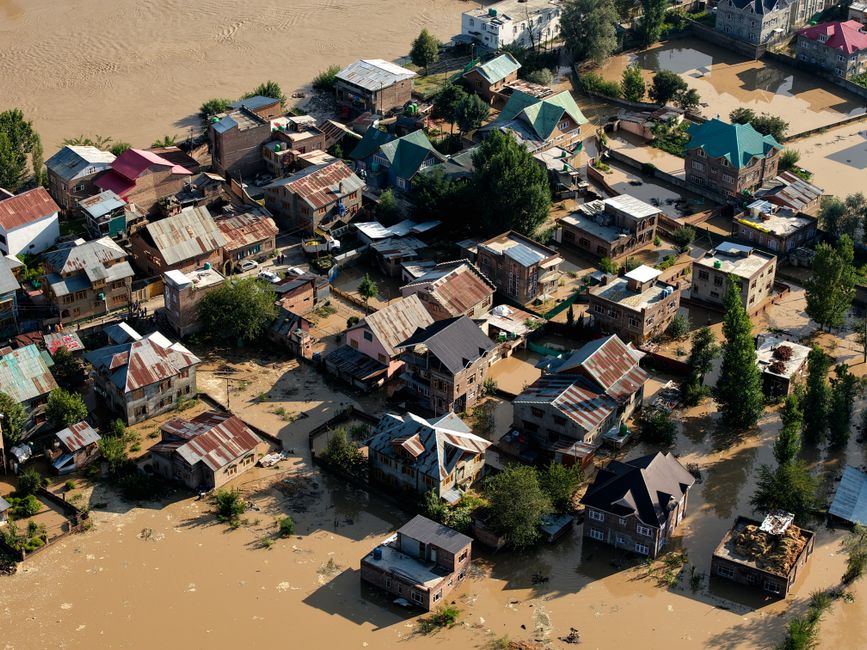
For example, if your dwelling limit is $500,000 and your policy has a 10% hurricane deductible, the deductible would generally be $50,000 for a qualifying hurricane loss. If covered damage is $80,000, the deductible is applied before the insurer pays its share of the covered amount. If covered damage is only $30,000, you may be responsible for the entire amount because it does not exceed the deductible.
That’s the key distinction: the percentage is typically based on an insured limit, while the amount you owe depends on the policy and the covered loss. A $50,000 deductible is not a promise that the insurer will pay every dollar above $50,000. Coverage limits, exclusions, sublimits, depreciation, and other policy terms can affect the final payment.
Common hurricane deductible options in real dollars
Here is a simple comparison using a $500,000 dwelling coverage limit. These are illustrative numbers; your policy may use a different limit or contain different terms.
Hurricane deductible Calculation on $500,000 dwelling limit Illustrative amount you pay first 2% $500,000 × 0.02 $10,000 5% $500,000 × 0.05 $25,000 10% $500,000 × 0.10 $50,000A $50,000 deductible can be a five-figure cash gap between storm damage and the insurance money available to begin repairs. If your home has a $700,000 dwelling limit, a 10% deductible would generally calculate to $70,000. The larger your insured dwelling limit, the larger the deductible may be in dollars.
Do not assume that choosing a lower percentage is always possible or affordable. Insurers may offer different options, and the premium can vary. Ask your agent to show both the annual premium and the deductible in dollars. A small premium saving can be less attractive when it means taking on tens of thousands of dollars in additional risk.
How the deductible is applied—and what can complicate it
A hurricane deductible is different from a standard all-peril deductible. The policy may specify when the hurricane deductible applies and how the insurer determines whether a loss qualifies. The details can depend on the policy language and applicable law. Wind damage, water intrusion, flooding, and damage that happens before or after a storm can raise different coverage questions.
For instance, homeowners insurance generally does not mean the same thing as flood insurance. If storm surge or rising water damages your home, a separate flood policy may be relevant, with its own deductible and rules. A roof leak during a storm may involve different questions from water that enters through a flooded street. Don’t assume that one deductible or one policy will address every source of damage.
When a claim happens, document the damage, take reasonable steps to prevent further loss, and keep receipts for emergency work. Avoid signing a broad repair contract before you understand its scope and payment terms. If you’re unsure how a deductible applies, ask the insurer or a qualified insurance professional to explain the calculation in writing.
Why post-storm cash can be hard to find
The deductible is only one part of the cash-flow problem. After a widespread storm, contractors, roofers, building inspectors, adjusters, and suppliers may be handling a surge of work. Materials can be delayed. Temporary housing may be expensive. You may need to pay for tarping, debris removal, mold prevention, or other urgent steps before the full claim is resolved.
At the same time, banks and other lenders can tighten up. A HELOC that looked like a backup plan before landfall may not be available quickly—or at all—when you need it. Lenders can pause applications, change underwriting requirements, or take longer to process requests during a disaster. New credit may be slow, and approval is never guaranteed.
Insurance payments can also take time. The claim may need inspection and documentation; the insurer may issue payments in stages; and a mortgage company listed on the policy may have a role in releasing funds. That does not mean every claim will be delayed, but it does mean you should not count on immediate access to the full repair amount.
This is why a high deductible Florida homeowner should think about liquidity before hurricane season. Liquidity means money or resources you can realistically access when bills are due—not simply the value of your house, retirement account, or belongings on paper.
Build a plan before the forecast turns serious
Start by finding your declarations page and identifying the dwelling limit, hurricane deductible, standard deductible, and any separate flood coverage. Then translate each percentage into dollars. If your insurer offers more than one deductible option, ask for a side-by-side comparison that shows the annual premium and the out-of-pocket amount under each option.
Next, consider how you would cover immediate costs. A practical plan may include a dedicated emergency fund, accessible savings, a pre-existing credit line, or other resources. Don’t count a new loan as certain until it is approved and available. If you have a HELOC, confirm its terms and whether you can draw on it when needed. Keep copies of policies and key financial documents somewhere accessible if you have to leave home.
It can help to make a simple cash worksheet:
- Likely deductible: the dollar amount shown by your policy calculation.
- Immediate mitigation: a reasonable reserve for urgent protection and cleanup.
- Temporary living costs: expenses you may need to cover while displaced, subject to your policy’s terms.
- Available funds: cash and credit you can access without relying on post-storm approval.
- Potential shortfall: the difference between likely near-term costs and accessible funds.
This is not a prediction of the final claim payment. It is a way to see whether your plan depends on money that might not arrive on time.
Could a valuable watch help with short-term liquidity?
Some households have valuable assets but limited cash. A collateral loan—where a watch is held as security—is one possible source of liquidity to research. It is not a substitute for insurance or an emergency fund, and it comes with costs and risks. Before considering one, understand the loan amount, interest and fees, repayment schedule, storage and insurance arrangements, default terms, and what happens if you cannot repay.
Companies such as Diamond Banc offer a way to explore watch-backed lending, but compare the written terms with other available options. A loan secured by an asset can give you access to cash without selling the watch outright, but the watch is pledged as collateral. If repayment goes wrong, you could lose it. Do not borrow simply because a lender can make funds available; borrow only after checking that the repayment plan is realistic.
For a rough sense of a watch’s market context, secondary market pricing trackers such as WatchCharts can help you review observed pricing information. These trackers are not appraisals, loan offers, or guarantees of what a lender will advance. Condition, model, documentation, demand, and the lender’s own valuation process can all affect an offer.
If you already work with a financial professional—for example, an adviser at Morgan Stanley—ask how a potential loan fits into your broader financial picture. That does not mean a financial adviser, bank, or watch lender can guarantee disaster-time access to funds. The important point is to understand the terms well before you are making decisions under pressure.
Questions to ask your agent or insurer
Before storm season, ask direct questions and save the answers with your policy documents:
- What dollar amount does my hurricane deductible equal today?
- What coverage limit is used to calculate it?
- What event or policy definition causes the hurricane deductible to apply?
- How does it interact with my standard deductible or flood insurance?
- Are there deductible options available, and how does each affect my premium?
- What documentation should I keep if I have storm damage?
- How are claim payments handled if my mortgage company is listed on the policy?
Ask for explanations in writing when possible. If your policy has unusual wording or the answer is unclear, consider speaking with a licensed insurance professional or an attorney who handles insurance matters. The goal is not to predict every claim outcome; it is to know what you bought and what cash you may need.
The bottom line on a 10% hurricane deductible
A 10% hurricane deductible can mean $50,000 out of pocket on a home with a $500,000 dwelling limit, depending on the policy’s Click here to find out more calculation. That is why the percentage alone is not enough: convert it to dollars, understand when it applies, and plan for the possibility that repairs and temporary expenses begin before claim funds are available.
Review your policy, compare deductible options, and build a realistic liquidity plan before a storm is in the forecast. A HELOC or new credit may be slow or paused after a disaster, and a collateral loan is still a loan with repayment obligations. Knowing your numbers now can make the first hard decisions after a storm less stressful.
