What Does "Live Secondary-Market Data" Mean for Pricing in Luxury Watches?
In today's fast-paced luxury watch market, especially in a vibrant scene like Miami's, understanding live secondary market data has become crucial for anyone interested in buying, selling, or trading high-end timepieces. Whether you're eyeing a Rolex or a Patek Philippe, the ability to tap into real-time pricing, watch authentication grading, and market offer trends can significantly affect your decisions.
After spending nearly a decade immersed in Miami’s luxury resale circle—some of that time helping friends safely price and move Rolex and Patek Philippe watches—I've come to appreciate how market transparency and data accessibility level the playing field between dealers, collectors, and casual sellers alike.
Miami: A Serious Player in the Secondary Luxury Watch Market
Miami is more than just a tourist destination; it has emerged as a serious hub in the high-end watch market. Its unique blend of affluent locals, international buyers, and collectors create a dynamic environment where market pricing is influenced by real demand—not just online hype.
Because so many watches change hands here—from private sales to boutique purchases—the city offers an excellent lens for viewing how live secondary market data shapes watch valuations. Local entities like Diamond Banc have solidified Miami’s reputation by offering secure, discreet selling and trading channels while also leveraging market-based watch offers to help sellers get the best value for their pieces.
What Exactly Is "Live Secondary Market Data"?
At its core, live secondary market data refers to real-time information on watch pricing, availability, and sales occurring outside of brand-authorized dealers (ADs). This data aggregates prices from private sales, online marketplaces, and watch trading platforms, continuously updating to reflect current market demand for specific models and conditions.
Unlike static price guides or brand MSRP (Manufacturer's Suggested Retail Price), secondary market data exposes the actual price people are paying for watches like Rolex Submariners or Patek Philippe Nautiluses right now.
Why Does This Matter for Pricing?
https://www.miamilivingmagazine.com/post/trading-up-how-miami-collectors-fund-their-next-grail-watch- Market Accuracy: Pricing based on live data reflects real buyer interest and supply constraints.
- Dynamic Fluctuations: Watch prices can spike or dip based on macro trends, limited releases, or collector sentiment.
- Validated Pricing: Sellers can use authenticated, market-verified benchmarks rather than relying on guesswork.
- Fair Offers: Trade-in or private sale offers, such as those from Diamond Banc, are calibrated using live data to stay competitive.
Trading Up by Rotating Pieces: The Miami Way
Many collectors in Miami and beyond practice "trading up," a strategy where owners rotate their watch collections over time to accumulate higher-value pieces. This often involves selling or trading existing watches like certain Rolex or Patek Philippe models to free capital for acquiring rarer or more coveted references.
In this scenario, having access to live secondary market data is a game-changer. It enables sellers to:
- Know the optimal time to list or trade a piece based on current demand.
- Leverage authenticated grading services to enhance watch value by verifying condition and originality.
- Diversify selling approaches to maximize return—whether through private sales, authorized dealers, or secondary market platforms.
The Four Selling Routes and Their Tradeoffs
When it comes time to sell or trade luxury watches, owners generally have four main routes, each with specific advantages and downsides:
Selling Route Description Advantages Tradeoffs Authorized Dealer (AD) Trade-In Trading or selling watches through brand boutiques or authorized dealers.- Trusted environment
- Immediate liquidity
- Brand warranty and provenance preserved
- Offers often conservative—ADs resell at lower margin
- Limited to brand-specific trades or purchases
- Potentially highest price
- Negotiable terms
- Highly discreet and customizable
- Requires trust and due diligence
- Risk of counterfeit or misrepresentation
- Time-consuming to find buyers
- Wide audience
- Transparent pricing
- Easy search and comparables
- Listing and selling fees
- Variable buyer quality
- Shipping and authentication hassles
- Quick, market-informed offers
- Professional watch grading and authentication
- Discreet and safe transactions
- Offer may be below peak private sale price
- Less personal negotiation possible
Discretion and Safety: Why Private Sales Remain Popular
Especially in Miami’s high-profile market, discretion in handling luxury watch sales cannot be overstated. Many clients shy away from public online listings or store-based sales because they want to keep their collections and transactions confidential.
Private sales—often brokered or recommended by trusted watch-savvy contacts—offer a level of safety and privacy that others can't match. This process is rooted in authentic relationships powered by knowledge of watch authentication grading and trust built through experience.
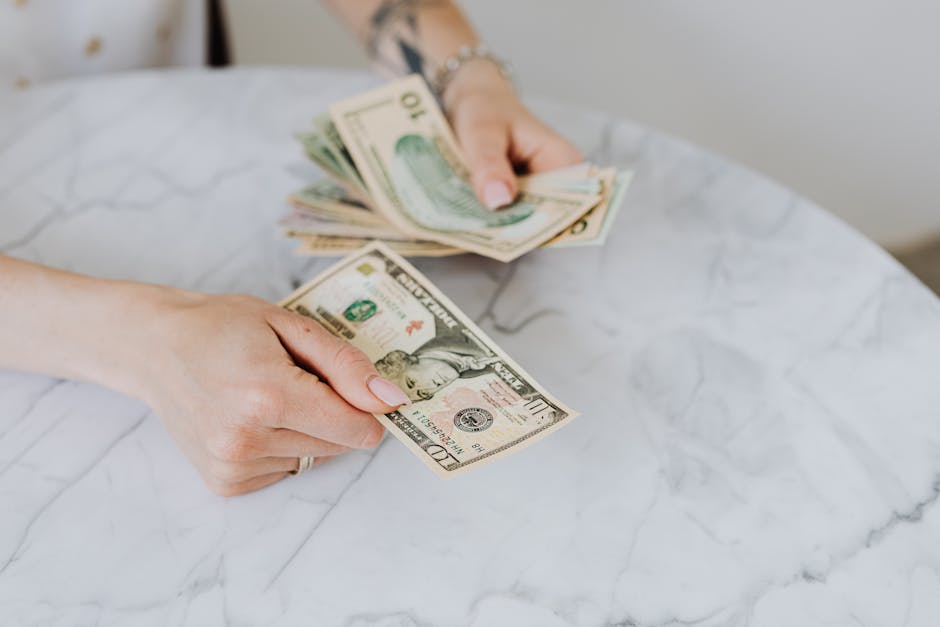
For those wary of fraud or counterfeit watches, verified grading and authentication services provide peace of mind. With models like Rolex Daytona or Patek Philippe complicated calendar watches, a certificate or third-party grading can make the difference between a lowball offer and a top-dollar sale.
Putting It All Together: Using Live Data to Navigate Your Next Watch Move
Whether buying your first Rolex or rotating through a collection to snag that elusive Patek Philippe, leveraging live secondary market data empowers you to make informed decisions. Here’s a quick checklist for putting this into practice:
- Research Recent Transactions: Use platforms or trusted advisors to access recent sales data for your watch model and condition.
- Authenticate and Grade: Consider professional watch authentication grading to verify condition and prevent surprises during sale or trade.
- Analyze Selling Routes: Weigh pros and cons of AD trade-ins, private sales, online listings, and providers like Diamond Banc to find your best option.
- Prioritize Safety: Use discreet channels and trusted contacts to minimize risk, whether you’re a buyer or seller.
- Stay Flexible: Market-based watch offers shift quickly; keeping an eye on live data lets you time your moves for maximum gain.
Closing Thoughts
The luxury watch market has matured beyond guesswork and hearsay. Thanks to live secondary market data, people selling and buying watches from Rolex to Patek Philippe in Miami—and worldwide—can approach pricing with confidence and clarity.
If you find yourself ready to move a watch or add to your collection, remember that Miami’s luxury resale ecosystem, featuring stalwarts like Diamond Banc, is designed to help you navigate offers, authentication, and pricing safely and discreetly. In this market, knowledge is power—and the more you tap into accurate, live market data, the closer you get to getting fair offers and making smart trades.
Feel free to reach out if you want a no-hype take on where the the secondary market is today or need guidance on your next watch move. Here's a story that illustrates this perfectly: wished they had known this beforehand.. When it comes to luxury watches, I’m often the person people text before they pick up the AD call.