What Is the Difference Between Selling to a Dealer and Selling to an End Buyer?
If you are thinking about selling a Rolex, the first question is not simply, “What is it worth?” It is: “Who is buying it, and what do I need from the sale?” A dealer, an end buyer, and a consignment arrangement can lead to very different timelines, offers, and responsibilities.
A dealer usually buys your watch outright, then resells it to another customer. An end buyer purchases the watch for personal ownership, often through a private sale or marketplace. A consignment watch dealer lists and sells your watch on your behalf, then pays you after the sale and deducts an agreed fee or commission.
Each route has a trade-off. Selling outright can provide speed and certainty, while selling directly to an end buyer may bring a higher price but takes more work. Consignment can offer higher potential proceeds without requiring you to manage every part of the sale, but it takes time and does not guarantee a particular result.
Dealer vs. End Buyer: The Basic Difference
A dealer is a business buyer. The dealer needs to account for the cost of acquiring your watch, checking it, preparing it for sale, holding it in inventory, and reselling it. The difference between the dealer’s purchase price and eventual resale price is commonly called the dealer resale margin. That margin helps cover business costs and the risk that the watch takes time to sell or needs additional work.
An end buyer is the person who intends to wear, collect, or gift the watch. Because an end buyer does not need to resell it as a business, their offer may come closer to the watch’s retail asking price. But that does not mean every end buyer will pay more. A private buyer may negotiate, ask for extensive documentation, or withdraw after an inspection. The price they agree to depends on the specific watch and the terms of the deal.
Option Who buys or sells? Typical advantage Typical trade-off Outright dealer sale A dealer buys your watch Speed and a defined offer The offer accounts for the dealer resale margin Private end-buyer sale You sell directly to the next owner Potentially stronger end buyer pricing You handle inquiries, verification, and transaction risks Consignment A dealer sells your watch on your behalf Potentially higher proceeds than an outright offer Payment comes after the watch sells, less agreed fees Watch-backed loan A lender advances money against the watch You may keep ownership and reclaim the watch You owe repayment and may face fees or other loan termsSelling Outright to a Dealer: Speed and Certainty
An outright sale suits owners who want a straightforward transaction. The dealer evaluates the watch, makes an offer, and, if you accept, pays you under the agreed terms. You give up ownership, but you do not need to wait for a future buyer or handle a listing yourself.
That convenience comes with a price. A dealer must buy below the amount they expect to realize at resale. The offer may reflect current demand, the cost of preparing the watch for sale, operating expenses, and the chance that the market or buyer interest changes before the dealer sells it. A dealer resale margin is not automatically a sign of an unfair offer. It is part of how a resale business works. Still, you should understand the offer and compare it with other realistic options.
“Fast cash” often means a discounted offer. A quick purchase can be useful, especially if you value a known timeline more than a potentially higher payout. The important thing is to compare that certainty with the likely net proceeds from other routes, not with an optimistic online asking price.
What to ask before accepting an offer
- Is the offer final, or can it change after an in-person inspection?
- How and when will payment arrive?
- Does the offer assume the watch includes its box, papers, links, and accessories?
- Will the dealer explain any deductions for condition, missing parts, or service needs?
- Does the offer depend on authentication or additional inspection?
Before discussing numbers, I always ask to see the box and papers. They do not guarantee a higher offer, and they do not replace an inspection, but they help establish what comes with the watch and make it easier to describe the set accurately.
Selling to an End Buyer: More Control, More Work
A direct sale can connect you with the next owner without a dealer purchasing the watch first. Since the transaction does not include a dealer’s acquisition and resale steps, end buyer pricing may look more attractive than an outright dealer offer. But the asking price you see online is not the same as a completed sale price. Listings show what sellers hope to receive. Completed transactions offer a more useful reference, though even those may differ in condition, accessories, location, and terms.
You also take on much of the work. You need to create an accurate Informative post listing, answer questions, arrange a safe inspection or delivery, and verify that payment clears. High-value watch sales attract serious collectors, but they can also attract time-wasters and fraud attempts. A private sale may take longer than expected, and a buyer can change their mind after seeing the watch in person.
How to make a direct sale safer
- Describe the watch precisely. Include the reference, approximate age if known, condition, service history, and included accessories.
- Use clear photographs. Show the dial, case, bracelet, clasp, serial and reference information where appropriate, and any visible wear.
- Agree on the inspection and payment process in advance. Use a reputable location or professional service for authentication, and confirm payment before releasing the watch.
- Document the transaction. Keep copies of the listing, messages, inspection details, and receipt.
A direct sale may suit an experienced seller who has time to manage the process and feels comfortable screening buyers. If you want a defined offer without the work of finding a buyer, an outright dealer sale may be a better fit.
Consignment: Higher Potential Proceeds, Longer Timeline
A consignment watch dealer lists and markets your watch, communicates with potential buyers, and completes the sale under agreed terms. You retain ownership until the watch sells, while the dealer handles much of the selling process. After the sale, the dealer pays you the agreed proceeds, less commission and any other disclosed costs.
Consignment can produce more than an outright dealer offer because the dealer does not buy the watch at a wholesale-oriented price upfront. But higher potential proceeds do not mean guaranteed higher proceeds. The watch may take weeks or months to sell, the final price may differ from the initial target, and you may need to consider a price adjustment if buyer interest is limited.
Consignment is not instant. Ask how the dealer sets the asking price, how often they review the listing, how they handle offers, and whether you must approve a discount. Get the commission, insurance arrangements, shipping responsibility, and expected payout timing in writing. Also confirm what happens if you decide to withdraw the watch before it sells.
Questions to ask a consignment dealer
- What is the proposed asking price, and what evidence supports it?
- What is my expected net payout after commission and other charges?
- Who holds and insures the watch while it is listed?
- Can the dealer accept an offer without my approval?
- What is the consignment term, and are there withdrawal fees?
- How and when will I receive payment after the buyer pays?
Borrowing Against a Watch: Keep Ownership
Selling is not the only way to access money tied up in a watch. A watch-backed loan lets you borrow against the watch while retaining the possibility of getting it back after repayment. This can suit an owner who needs short-term liquidity but does not want to part with a family piece or a watch they expect to keep.
A loan is not a sale, and it is not free cash. Review the interest rate, fees, repayment schedule, storage and insurance terms, and the consequences of missing a payment. Ask whether you can repay early and what the lender requires to release the watch. Compare the total cost of the loan with the cost of selling and buying another watch later.
If you no longer want the watch, a sale may be simpler. If you want to keep ownership and can meet the loan terms, borrowing may be worth considering. Make the choice based on your need and repayment plan, not just the amount offered.
What Drives Rolex Value?
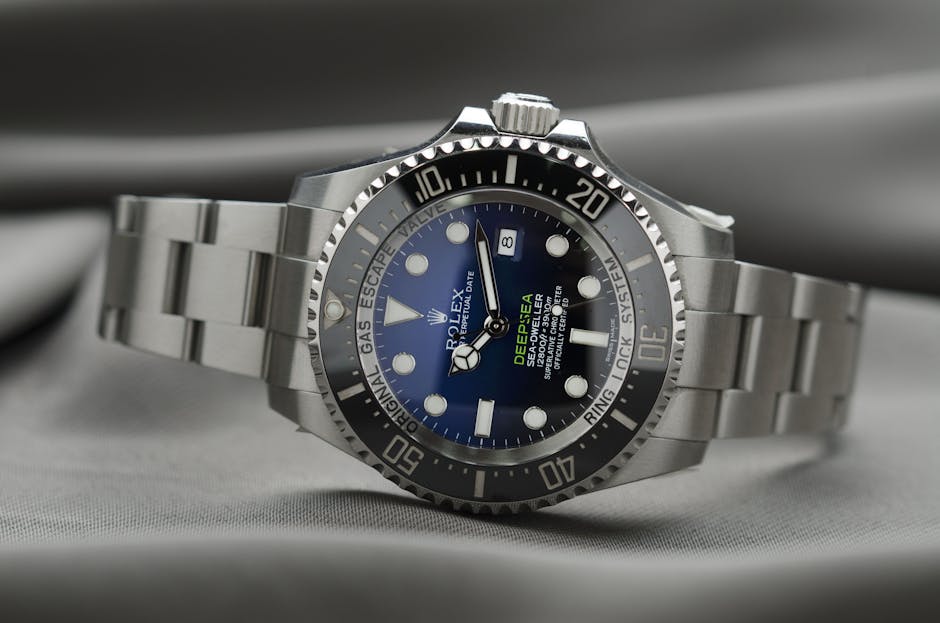
Rolex value does not come from the name on the dial alone. A sound estimate starts with the exact watch and the details that affect what a buyer will pay. “A Submariner is a Submariner” is not a useful valuation method. References, production details, condition, originality, and the completeness of the set can all matter.
Reference
The reference identifies the specific model and configuration. Different references can have different case dimensions, movements, materials, bezels, dials, and production histories. Demand can also vary between references, and it can change over time. A general category such as “Submariner” does not tell you enough to price a particular watch.
Condition
Condition includes more than whether the watch runs. Buyers may consider case shape, bracelet stretch, clasp wear, scratches, dents, dial and hands, crystal, bezel, and service history. A professional condition grading can create a consistent description, but grading should not replace clear photographs and a hands-on inspection. If the watch needs service, a buyer may account for the likely cost and time.
Originality
Original parts and correct configurations often matter to collectors. Replaced components, refinishing, aftermarket parts, or mismatched pieces can affect demand and value. A service replacement does not automatically make a watch undesirable, but the details matter. Disclose what you know, and do not assume that a part is original simply because it looks right.
Box, papers, extra links, tags, and service records can help document the watch and make the set more complete. Their effect on price varies by reference and buyer. Share what you have, and distinguish confirmed facts from details you cannot verify.
How to Compare Offers Without Guessing
Ask each dealer or platform to explain the basis of its number. A reliable evaluation should consider the exact reference, condition, originality, included accessories, and recent market activity. Some companies provide authentication, condition grading, and pricing from live secondary-market data. Those tools can support a more informed estimate, but you should still ask how the final offer relates to comparable completed sales and your watch’s specific details.
Compare net proceeds, not just headline prices. A private buyer may offer more but require more time and work. A consignment listing may show a higher asking price but still require a commission and a wait. A dealer’s outright offer may be lower than a potential end buyer price, while giving you a clearer, faster exit.
Comparison point What to check Price Compare the expected amount you keep, not just the advertised or asking price Timeline Confirm when the offer expires, when payment arrives, or how long consignment may run Risk Understand inspection, shipping, insurance, payment, and cancellation terms Effort Account for the time you will spend answering buyers, arranging inspections, and negotiatingWhich Option Is Right for You?
- Choose an outright dealer sale if speed, a defined process, and certainty matter most.
- Choose a direct end-buyer sale if you have time, feel comfortable managing the transaction, and want to pursue stronger end buyer pricing.
- Consider consignment if you can wait for a buyer and want a dealer to manage much of the selling process in exchange for a fee.
- Consider a watch-backed loan if you need liquidity but want to retain ownership and can meet the repayment terms.
Before you choose, gather the reference, condition details, service history, box, papers, links, and other accessories. Then compare written offers and terms. The best route is not always the one with the highest advertised number. It is the one that fits your timeline, your tolerance for risk, and the amount of work you want to take on.
For a fair comparison, ask each potential buyer to explain the valuation and the net amount you would receive. Clear details make for better numbers, and they help you decide whether you are paying for speed, waiting for a higher potential return, or keeping ownership through a loan.
