What Is the Role of Authentication Before a Final Rolex Offer?
When it comes to buying or selling a Rolex in the secondary market, authentication plays a pivotal role in determining a fair and reliable offer. Whether you’re an experienced collector or a first-time seller, understanding the authentication process can help you differentiate replacement value from resale value—and avoid costly misunderstandings. In this post, we’ll explore why authentication matters, what checks professionals perform, and how market forces like scarcity and demand influence final pricing. Along the way, we’ll naturally mention key industry players such as Rolex itself, secondary-market leaders like Diamond Banc, and trusted financial viewpoint sources like Market Realist.
Why Authentication Is Essential Before Making a Rolex Offer
A Rolex watch is far more than just a timekeeping device; it’s a luxury asset with a unique market ecosystem. This ecosystem makes authentication indispensable for several reasons:
- Protect Buyer and Seller Integrity: Counterfeits and modified pieces are abundant. Authentication ensures the piece is genuinely Rolex-made and unaltered.
- Accurate Valuation: Knowing the exact model, production year, and condition allows buyers and sellers to price watches based on transaction comps and real-time pricing rather than gut feelings or inflated MSRP assumptions.
- Legal Compliance: Reputable dealers like those at Diamond Banc and established marketplaces require verified pieces to comply with resale laws and maintain brand trust.
- Market Liquidity: Watches verified free of aftermarket parts or dubious provenance command better prices and sell more quickly.
Replace Value vs Resale Value: A Reality Check
A common misconception is conflating replacement value with resale value. Replacement value is the cost to buy an identical new watch at MSRP or through https://dibz.me/blog/why-is-my-old-rolex-receipt-useless-for-pricing-it-now-1244 official Rolex channels. Resale value, however, hinges on what the watch actually sells for in the secondary market, factoring in its condition, demand, and authenticity.
Often, sellers expect resale offers close to or even above MSRP, especially for scarce models. A smart authentication and pricing approach helps reset expectations to what the market will realistically pay, based on recent sales rather than hype.
Core Authentication Checks Before a Final Offer
When a professional buyer or luxury financier like Diamond Banc works on a Rolex offer, they rely heavily on a methodical authentication process. This includes several key checks:

- Authenticate Rolex Serial Numbers: The serial number engraved on the watch case is the first vital clue. It verifies production year and model reference. Authentic serial numbers match Rolex's documented database.
- Rolex Movement Check: The precision and originality of the mechanical movement are verified by opening the caseback. Experts look for hallmark engravings and internal parts confirming the caliber matches the specific model.
- Rolex Case Markings Inspection: Case engravings, including model numbers and hallmarks, are scrutinized. Rolex engraving has distinct fonts, depth, and placement that counterfeiters struggle to replicate perfectly.
- Condition, Completeness, and Provenance: Additional factors like original box and papers, service history, and overall wear impact pricing but only after authenticity is confirmed.
Role of Tools Like Auction Results and Dealer Sales
Authentication is necessary but not sufficient alone for determining a final Rolex offer. Buyers constantly reference real transaction data to anchor pricing. Two essential tools are:
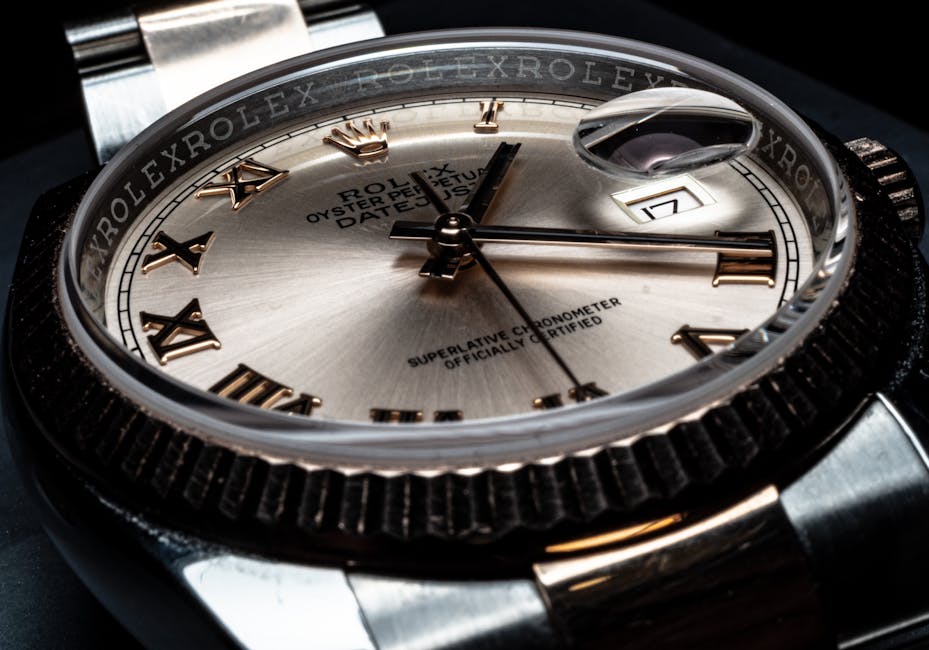
- Auction Results: Reputable auction houses publicly record prices realized for similar Rolex models, frequently including detailed condition descriptions. These results provide an unbiased snapshot of market demand.
- Dealer Sales Comps: Established dealers like Diamond Banc have extensive databases of recent watch sales and trades. Their ongoing transactions offer real-time pricing references critical in a market influenced by scarcity and collector interest cycles.
Secondary Market Dynamics: Why Authentication Influences Final Offers
Once authentication affirms a Rolex’s model and genuineness, the real-world market context drives the ultimate offer price. Key dynamics include:
1. Secondary Market vs MSRP
MSRP—the manufacturer’s suggested retail price—sets a baseline but rarely dictates secondary market value. For many Rolex models, especially popular ones like the Submariner or Daytona, the secondary market price can eclipse MSRP due to scarcity and demand.
However, authentication helps reset expectations by preventing fake or altered watches from skewing perceived scarcity. A genuine watch’s resale value is always tied to what similarly authenticated pieces traded for recently, not the MSRP sticker.
2. Scarcity From Discontinuation
When Rolex discontinues a model or thinly supplies certain variants, scarcity takes effect, driving collector demand and pushing resale prices upward. Authentication becomes vital here: only verified original watches gain the price premiums related to scarcity.
For example, although no explicit prices were provided in the scraped industry content, models known to be discontinued have historically fetched multiples above replacement costs at auction andDealer sales, as tracked by Market Realist.
3. Collector Demand Cycles
Collector interest fluctuates based on fashion, celebrity endorsements, and macroeconomic conditions. Authenticity helps identify which watches are genuinely sought-after classics versus speculative fads. This insight allows buyers and sellers to time their transactions more accurately.
4. Transaction Comps and Real-Time Pricing
In both dealer-to-consumer and consumer-to-consumer transactions, offers rely heavily on comps—comparable sales data from authenticated watches.
Questions like "What did this exact model sell for last week?" or "Are the recent auction results aligned with dealer pricing?" are asked continually to verify offers. This real-time pricing discipline protects everyone from overpaying or undervaluing a Rolex asset.
Conclusion: Authentication Is the Gatekeeper of Fair, Market-Based Offers
For Rolex buyers, sellers, and secondary market professionals, authentication is fundamental. It separates hype and rolex resale price guesswork from factual market realities by verifying serial numbers, movements, and case markings. When paired with tools like auction results and dealer sales comps, authentication underpins offers that reflect true market value—not inflated MSRP expectations or unsourced claims.
Industry leaders like Diamond Banc set high standards by combining expert authentication with deep market insight. Meanwhile, intelligent consumers and collectors benefit from referencing platforms like Market Realist that analyze demand cycles and transaction data. Together, these elements ensure that every final Rolex offer is grounded in transparency, trust, and actual market behavior.