Why Do Refunds Feel Slower on Mobile Purchases?
You ever wonder why mobile shopping has become the norm for millions of consumers worldwide. The convenience of phone-first checkout flows, quick access to saved payment methods, and the smooth integration of digital wallets like Apple Pay or Google Pay have set high expectations for speedy transactions. Yet, when it comes to refunds, many shoppers notice that their money seems to take longer to show up back in their accounts after a mobile purchase than with desktop or in-store transactions.
What’s going on behind https://highstylife.com/booking-accommodation-on-mobile-the-safest-way-to-pay/ the scenes? Why does the refund process on mobile feel slower—even though placing the order was designed to be effortless? This article unpacks the interplay between payment methods, mobile user experiences (UX), and the crucial role of bank processing cycles to explain the hidden complexities. ...but anyway.
Setting the Stage: Phone-First Checkout Expectations
Mobile shopping experiences have evolved drastically over the past decade. Designers and developers prioritize frictionless checkout flows because consumers have less patience and screen space on smartphones. This evolution has set the following user expectations:
- Speed: Purchases need to happen quickly, often within a few taps.
- Convenience: Auto-filled or saved payment methods reduce typing and errors.
- Clarity: Checkout screens clearly break down totals, taxes, shipping, and discounts in compact but transparent formats.
- Security: Biometrics like fingerprint or Face ID approvals reduce friction without sacrificing safety.
Mobile-first checkout success is measured by how smoothly a buyer moves from cart to confirmation. But those expectations often overlook the other side of the transaction scale: the refunds.
How Digital Wallets and Saved Payment Methods Shape the Refund Experience
What Are Digital Wallets and Saved Payment Methods?
Digital wallets (Apple Pay, Google Pay, Samsung Pay, etc.) encapsulate payment info and streamline checkout with a single tap or biometric check. Meanwhile, saved payment methods stored directly by retailers or platforms (like a saved Visa ending in 1234 on Amazon) represent cards or accounts linked for repeated use.
Both tools reduce manual entry but they impact refunds differently:
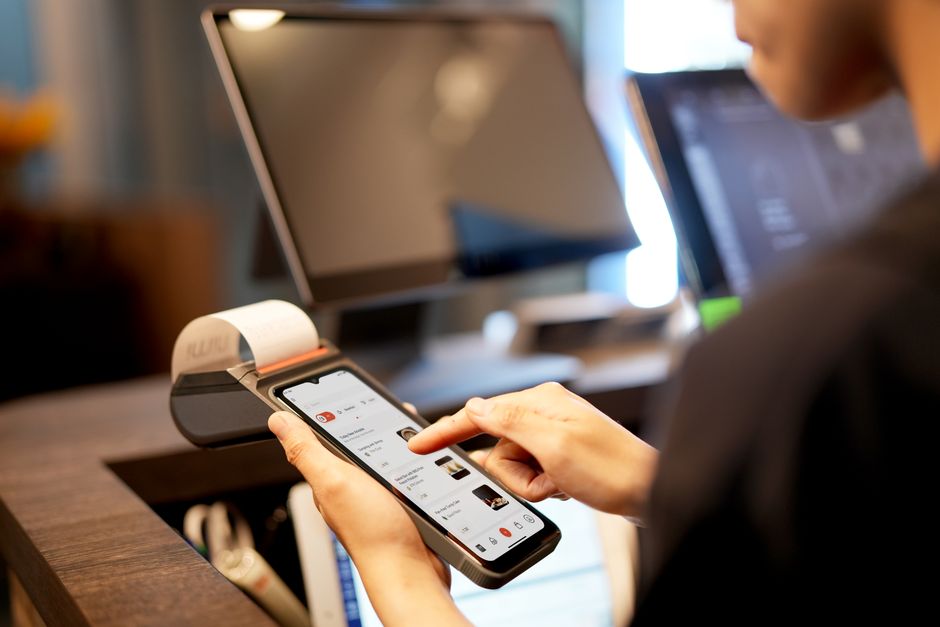
- Digital Wallet Refunds: Since funds originate from or route through the wallet, funds return there first, triggering an additional step before the linked bank or card sees the credit.
- Saved Payment Method Refunds: These refunds go straight back to the specific card or account but may face bank processing delays depending on the card type or issuer.
The Refund Routing Behind the Scenes
When a refund happens, the merchant issues a credit to the original payment method. But “original payment” varies:
Payment Method Refund Path Potential Delay Sources Digital Wallet (Apple Pay) Merchant → Apple Pay account → Bank/Card issuer Apple’s internal processing + bank/card processing Saved Credit/Debit Card (Visa, Mastercard) Merchant → Card network → Bank issuer Bank/card issuer processing times, weekends/holidays PayPal (Stored Payment Method) Merchant → PayPal account → Linked bank or card PayPal processing + bank/card processingEach extra “hop” naturally adds processing time. Digital wallets typically hold and manage funds momentarily before sending https://bizzmarkblog.com/is-it-risky-to-keep-my-email-and-banking-on-the-same-phone/ them onward to banks or card issuers, which means you don’t instantly see the refund in your bank account or card statement.
Mobile UX: Designed for Fewer Steps But Clear Totals
One hallmark of mobile checkout design is streamlining the experience by reducing tedious data entry and portal pages. Here’s how this affects refunds:
- Few Steps Forward, But Opaque Backwards: You see fewer screens to approve on purchase but less tracking detail on refund progress.
- Clear Totals at Purchase Only: Checkout pages on mobile prioritize showing order totals, taxes, discounts, and shipping upfront. However, refund confirmations often lack this clarity—users might only get generic emails or notification prompts saying “Refund initiated” without breakdowns.
- Push vs. Pull Notifications: Mobile apps often send push notifications for purchase confirmations but rely on slower email or SMS updates to communicate refunds.
As a result, the clean and fast forward flow doesn't translate into an equally smooth refund perception, leaving users feeling stuck in limbo.
Biometrics: Reducing Friction on Checkout, Not Refunds
Fingerprint sensors, Face ID, and other biometric tools drastically reduce the the time required to authorize mobile purchases. Biometrics help because they:
- Replace manual password or PIN entry.
- Speed up approval steps within digital wallets.
- Increase overall security with on-device encryption.
However, biometrics assist only with authorizing payments — refunds are processed on the backend and depend primarily on merchant systems and banking networks. Here's a story that illustrates this perfectly: made a mistake that cost them thousands.. Therefore, biometrics don’t speed up refund timings or visibility.

Why Bank Processing Still Dictates the Refund Clock
Regardless of how you pay, the final leg of any refund reaches your bank or card issuer for approval and posting. This is the big source of delay and unpredictability.
Here’s Why Banks Take Time on Refunds:
- Batch Processing Cycles: Banks and payment networks process large volumes of transactions at set intervals—sometimes daily or in multi-day batches.
- Fraud Checks and Clearing: Refunds undergo fraud and legitimacy verification, which can add internal delays.
- Time Zone and Holiday Effects: Weekend or holiday refund requests often wait until the next business day.
- Issuer Policies Vary: Some card issuers post credits immediately, others hold funds longer depending on account type and customer history.
Because mobile purchases often leverage digital wallets or stored payment methods with additional routing steps, these bank-side delays become more noticeable.
Tips for Faster Refunds and Managing Expectations
Though consumers can't control bank processing times, there are ways to reduce frustration and speed up the refund experience:
- Use Payment Methods Known for Fast Refunds: Some credit cards or PayPal generally post credits faster than debit cards tied to checking accounts.
- Keep App Notifications Enabled: Many merchants provide real-time app alerts when a refund is initiated and posted.
- Document Your Purchase and Refund: Save receipts and refund confirmation emails to reference in customer support cases.
- Understand Merchant Policies: Some merchants may delay refund initiation. Confirm their turnaround time, which adds to overall wait.
Summary: Mobile Refunds Are a Multi-Step Behind-the-Scenes Journey
Mobile purchases feel fast and seamless thanks to:
- Smooth, phone-first checkout designs
- Integration of digital wallets and saved payment methods
- Biometric authentication reducing approval friction
Yet refunds traverse more complex routes involving:
- Merchant refund processing
- Intermediary digital wallet crediting
- Bank and card network cycles
Because of these additional layers, funds may take longer to reach your bank or card account compared to desktop or in-store returns where payment isn’t passed through a digital wallet. Combined with less transparent refund tracking in mobile apps, the overall experience feels slower—though it’s often just the nature of how money moves through modern payment networks.
Understanding these mechanics can ease frustration and help mobile shoppers better navigate the refund process going forward.